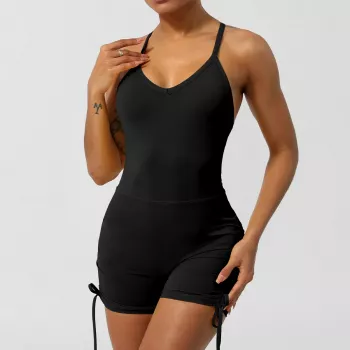
A one-piece that blends a clean V-neck front with a supportive crossover back for an easy, put-together look from warm-up to weekend errands. This guide breaks down fit, feel, movement, and care so it’s simple to decide if it matches your routine and style.
Why the Crossover Back and V-Neck Matter
- V-neck front: Creates a streamlined neckline that layers neatly under jackets, wraps, and overshirts without bunching or feeling crowded.
- Crossover back detail: Adds visual interest while helping distribute strap tension across the upper back, which can reduce that “all the weight is on my shoulders” feeling.
- One-piece simplicity: A single silhouette cuts down on mid-workout outfit readjustments during flow, stretching, or light training.
- Studio-to-street versatility: Works as a base layer—swap sneakers for slides and add a button-down for a quick change in vibe.
If footwear is part of your studio-to-street plan, a quick check on shoe support and fit can help overall comfort on busy days; the American College of Sports Medicine offers practical guidance on selecting athletic shoes here.
Fit and Support: What to Expect
- Torso fit should be close but comfortable: A body-skimming fit helps prevent shifting during transitions, forward folds, and inversions—without feeling like you have to tug it back into place.
- Crossover straps can feel more anchored: Because the straps meet across the shoulder blades, many wearers find the back feels “held” compared with straight straps that can drift outward.
- Support varies by preference: If you have a fuller bust or simply prefer more structure, prioritize a stable underband feel; some people still layer a favorite sports bra underneath for extra confidence.
- Choose size based on torso length when between sizes: Too snug through the torso can pull downward at the shoulders; too long can create pooling or wrinkling at the waist that distracts during movement.
For a one-and-done option that keeps lines clean, see Shop the Crossover Back V-Neck Yoga Jumpsuit.
Comfort and Mobility During Movement
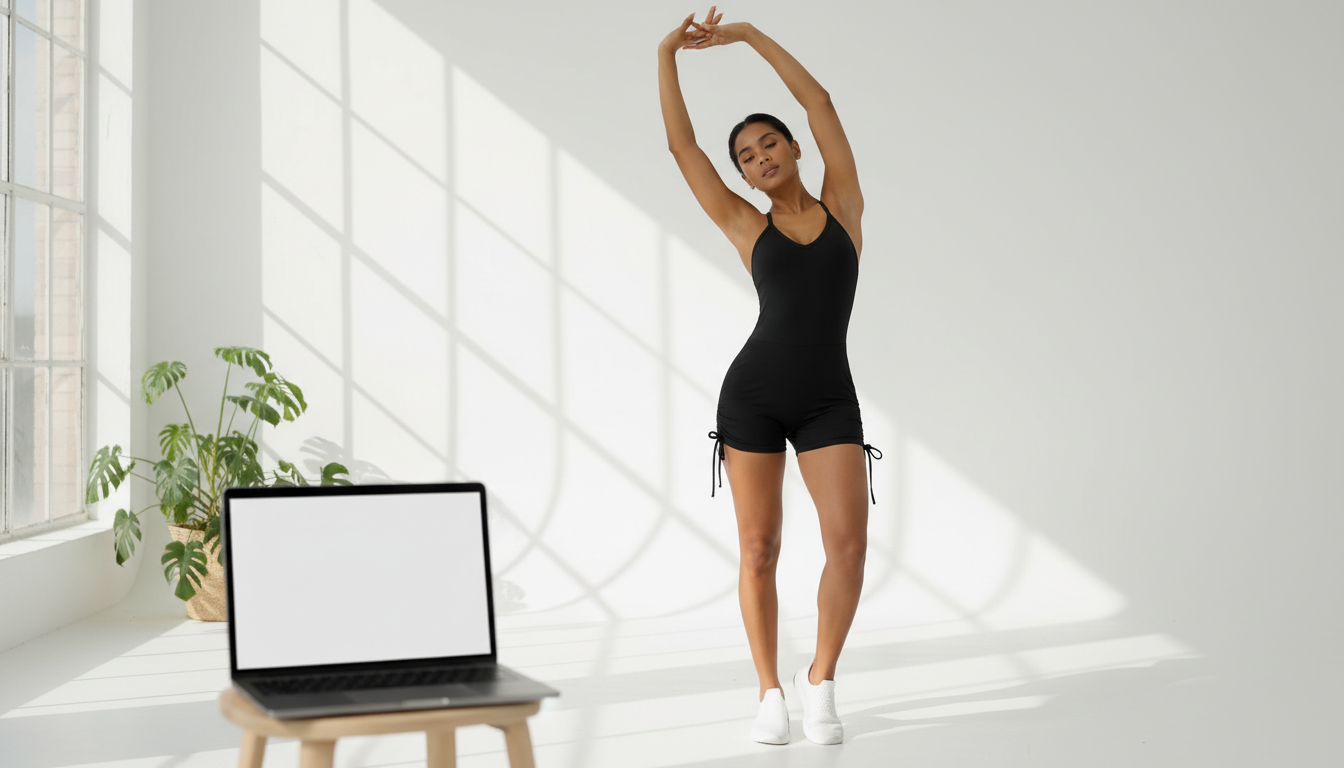
A yoga jumpsuit should move with you through the biggest ranges of motion—without pulling at the neckline, digging at the shoulders, or rolling at the midsection. The crossover back is especially helpful when you’re reaching overhead or opening through the chest, since it can reduce direct pressure near the neck area.
- Deep hip flexion: Lunges and chair pose should feel free at the hips, with the fabric stretching rather than resisting.
- Spinal rotation: In twists, the jumpsuit should stay aligned rather than shifting diagonally across the torso.
- Overhead reach: In down dog and crescent lunge, the V-neck should sit smoothly without gaping or tugging.
- Seam comfort matters: Smooth seams and a stable waistband zone help reduce rolling during core work, boat pose, or frequent mat transitions.
For higher-sweat sessions, quick-drying laundry habits make a difference; general exercise recommendations and planning guidance from Mayo Clinic can help you balance intensity and recovery across the week here.
Quick Reference: Features and Use Cases
Use this at-a-glance chart to match the design details to your activities and styling needs.
Crossover Back V-Neck Yoga Jumpsuit at a Glance
| Detail |
What it does |
Best for |
| V-neck front |
Creates a clean neckline and reduces bulk under layers |
Layering, low-to-medium intensity sessions, casual styling |
| Crossover back straps |
Distributes support across upper back for a secure feel |
Yoga, Pilates, mobility work, everyday wear |
| One-piece silhouette |
Minimizes waistband shifting and outfit adjustments |
Flow classes, errands after the studio |
| Body-skimming fit |
Helps prevent fabric from sliding during movement |
Mat work, stretching, light strength days |
How to Style It Beyond the Studio
- Easy post-class layer: Add an oversized button-down or a cropped hoodie so the V-neck stays clean and the back detail still peeks through when you move.
- Errands and travel days: Pair with a denim jacket and low-profile sneakers for a simple outfit that still looks intentional.
- Warm-weather uniform: Style with a lightweight open shirt and simple slides—especially when you want coverage without heat-trapping bulk.
- Keep accessories minimal: The crossover back is the statement. Small hoops, a sleek tote, and sunglasses finish the look without competing.
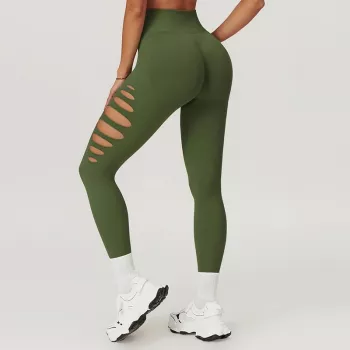
If you like to mix outfits for different days, a sculpting bottom can be a useful rotation piece—Pair it with High-Waist Scrunch Leggings for Women for training or recovery walks when you want separates.
Care and Longevity Tips
For care instructions and why labels matter, the FTC’s overview of care labeling is a helpful reference here.
When to Choose a Jumpsuit vs. Separates
FAQ
Is a crossover back supportive enough for workouts?
Crossed straps distribute tension across the upper back and can feel more secure than straight straps for yoga, Pilates, and low-to-medium intensity training. For high-impact workouts, some people still prefer adding a higher-support sports bra based on comfort and bounce control.
How do I prevent a yoga jumpsuit from riding down or bunching?
Start with sizing that matches your torso length: too short can pull down at the shoulders, while too long can bunch at the waist. Aim for a snug-but-not-restrictive fit with good fabric recovery, and avoid sizing up so much that extra material pools during movement.
What should I wear over a V-neck yoga jumpsuit?
Wrap tops, cropped hoodies, oversized shirts, and lightweight jackets layer well without adding bulk at the neckline. If you want the crossover detail to stand out, choose open or drapey layers that don’t fully cover the back.
Recommended for you









Leave a comment