Linen is loved for its airy, lived-in look, but it’s also quick to crease. The goal isn’t “no wrinkles ever”—it’s fewer deep wrinkles and faster recovery so your pants look polished longer. A few habits at washing, drying, storing, and wearing make the biggest difference.
Wash linen pants on a gentle or delicate cycle with cool to lukewarm water. Avoid overcrowding the drum; packed loads create hard creases that set as the fabric dries. Use a mild detergent, skip heavy fabric softeners, and consider a low-spin setting to limit twisting.
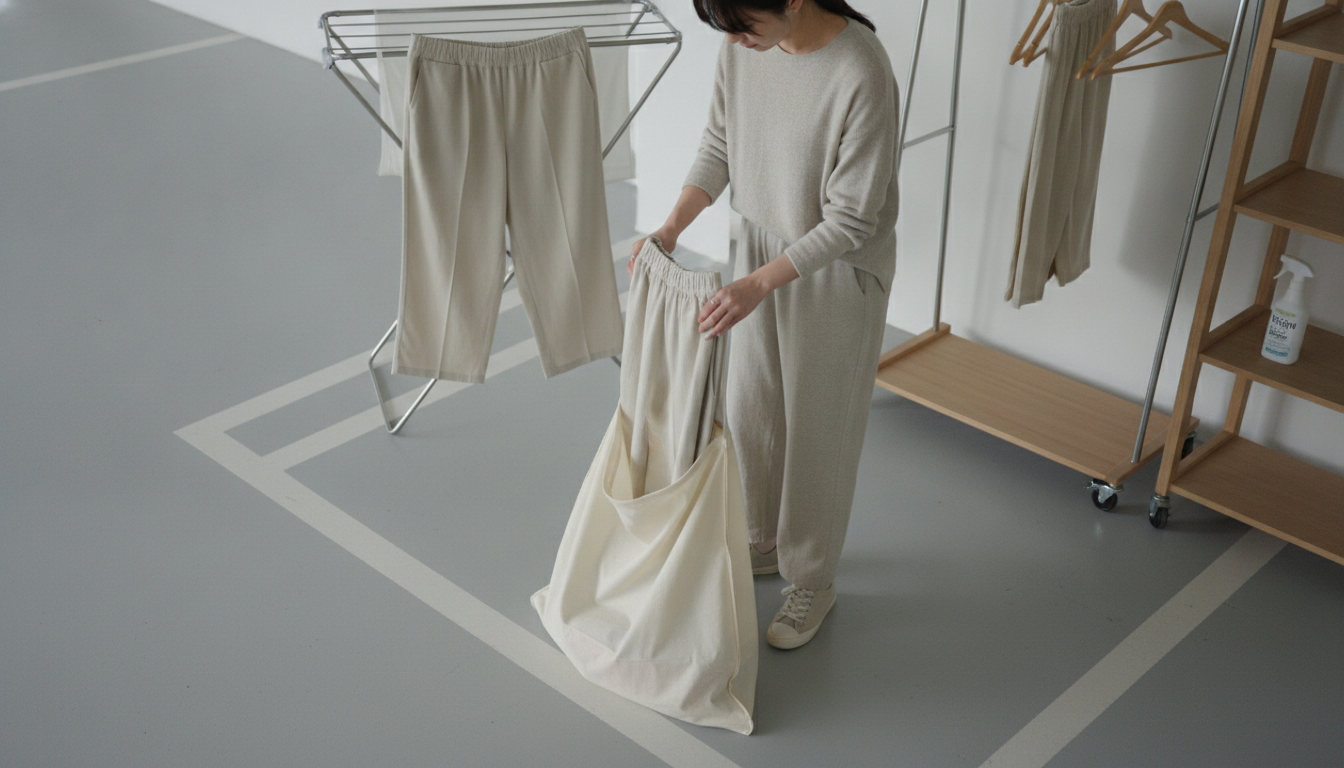
To prevent major wrinkles, don’t let linen sit bunched up when the cycle ends. Remove promptly, give the pants a few firm snaps, then smooth the legs and waistband with your hands. Air-dry on a hanger or lay flat, aligning seams and pockets. If you use a dryer, choose low heat for just a few minutes, then hang to finish drying—over-drying is a fast track to stubborn creases.
Iron or steam while the fabric is slightly damp. Use medium-high heat with steam; press along seams first, then the front and back panels. For quick touch-ups, a handheld steamer relaxes wrinkles without flattening the natural texture too much.
Hang linen pants from the waistband or use clip hangers to keep the legs vertical. If folding is necessary, fold along existing creases and avoid stacking heavy items on top. When packing, roll loosely or fold once and place the pants on top of your suitcase contents; unpack and hang as soon as you arrive.
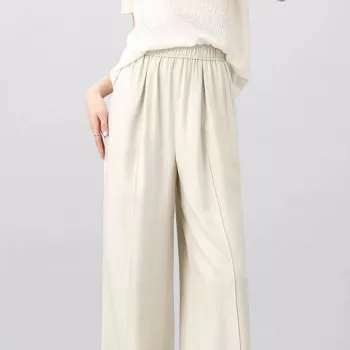
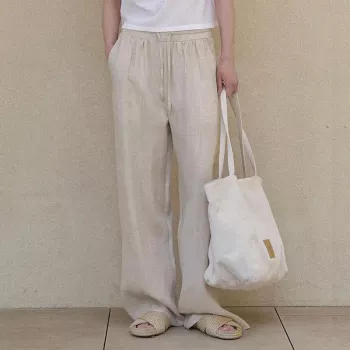
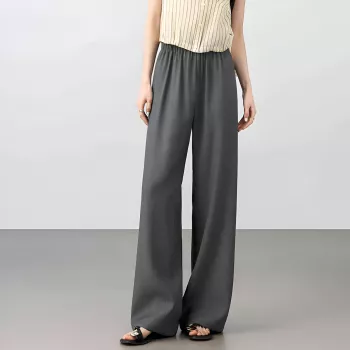
Linen blends tend to wrinkle less than 100% linen, and a slightly relaxed straight-leg cut creases less at the knee and hip than very tight fits. For more styling and fabric details, see this guide to women’s linen-blend straight pants.
Yes. Blends (often with cotton, viscose, or a touch of synthetic fiber) usually hold their shape better and bounce back faster, while still keeping linen’s breathable feel.










Leave a comment