
Timeless style isn’t about chasing trends or dressing for a specific decade of life—it’s about avoiding the repeat-offender mistakes that quietly make outfits look dated, sloppy, or unintentionally loud. The good news: most “style problems” aren’t personal; they’re predictable. Once you know what to look for, small adjustments in fit, proportion, fabric, and finishing details can make everyday outfits look more current, composed, and intentional—without rebuilding your wardrobe from scratch.
Timeless style is less about owning the “right” items and more about mastering the fundamentals that always read polished: fit, proportion, cohesive color, and clean finishing. It’s not the absence of trends—it’s using them selectively, so they support your proportions and lifestyle instead of overpowering them.
One of the fastest ways to look dated is locking into a single “uniform” and never updating the fit, styling, or finishing details. A silhouette that looked sharp five years ago can start to read stale if hems, shoes, or layers don’t evolve with it. Timeless dressing keeps the backbone consistent while refreshing the details.
Most style misfires come from the same handful of traps. The fix is usually simpler than expected—often a single swap, hem, or styling choice.
Fix: Start with the correct size, then use structure (seams, waist definition, intentional hemlines) to shape the silhouette. Too-tight pieces create pulling and stress lines; too-loose pieces remove your shape and can make the outfit feel unfinished.
Fix: Pair volume with sleekness. Think wide-leg pants with a neater top, a fitted dress with a longer layer, or a cropped jacket with higher-rise bottoms. When everything is oversized—or everything is super tight—your outfit loses the clean “line” that reads modern.
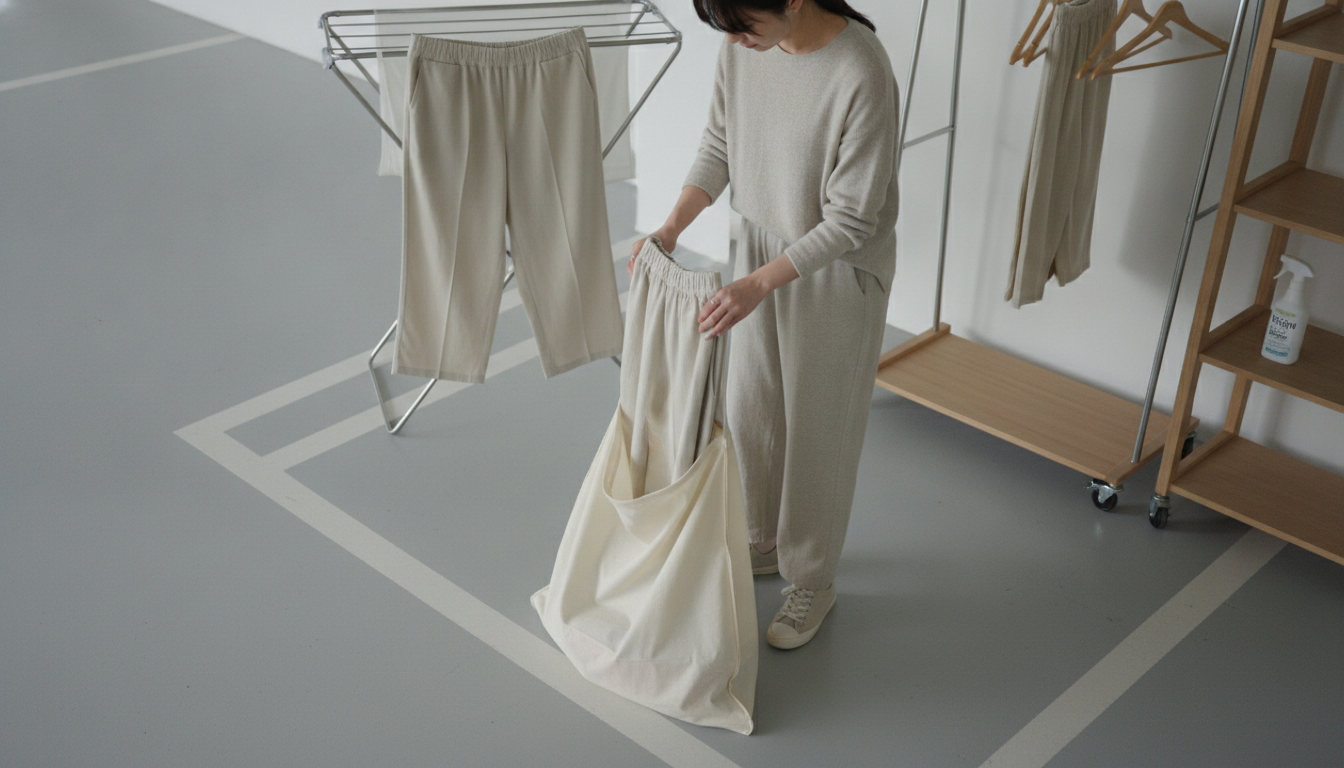
Fix: Favor medium-weight fabrics, lined pieces, and breathable blends. Steam to smooth rather than pressing until shiny. For care guidance, it helps to understand labels and symbols from a reliable reference like the Federal Trade Commission’s care labeling resource.
| Style trap | How it shows up | Quick fix |
|---|---|---|
| Sizing down to look smaller | Pulling at buttons, stress lines, riding hems | Size up; tailor key points (waist, hem, strap length) |
| All-over volume | Boxy silhouette, shortened legs | Keep one area clean (sleek top or defined waist) |
| No finishing layer | Outfit feels incomplete or overly casual | Add a structured layer (cardigan, blazer, refined jacket) |
| Random accessories | Cluttered look, no clear focal point | Choose one statement; keep the rest minimal |
| Unintentional length | Leg line looks choppy | Hem to an intentional point; choose footwear accordingly |
For effortless mixing, keep a repeatable palette: 2–3 neutrals plus 1–2 accent colors. If a look feels dated, modernize the contrast placement—lighter near the face, darker grounding pieces on the bottom, or tonal dressing with one clean pop. For a bigger-picture reason to shop and style this way, the UN Alliance for Sustainable Fashion promotes using clothing longer—timeless styling supports that by helping more of what you already own feel wearable now.
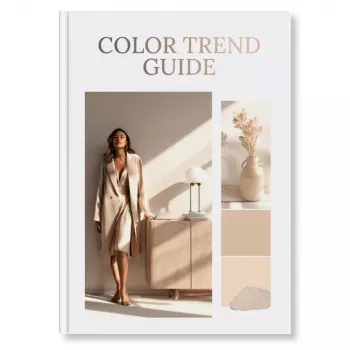
For a ready-to-reference framework, consider the Timeless Style Traps ebook (digital download), built around universal mistakes and straightforward fixes.
No—timeless style is based on principles like fit, proportion, and cohesive styling, while “classic” is a specific aesthetic. Timeless can look minimalist, edgy, romantic, or sporty as long as the fundamentals are clean and intentional.
Prioritize hemming and small tailoring, upgrade shoes and outerwear for better structure, and edit accessories using a one-focus rule. A simple color palette and a repeatable checklist can help you spot issues quickly and make more of your current closet work.
It’s useful when it provides a clear framework you can reuse during closet edits and shopping, helping you diagnose fit, proportion, and styling problems fast. Instant access and a printable, reference-friendly format also make it easier to apply consistently.











Leave a comment